
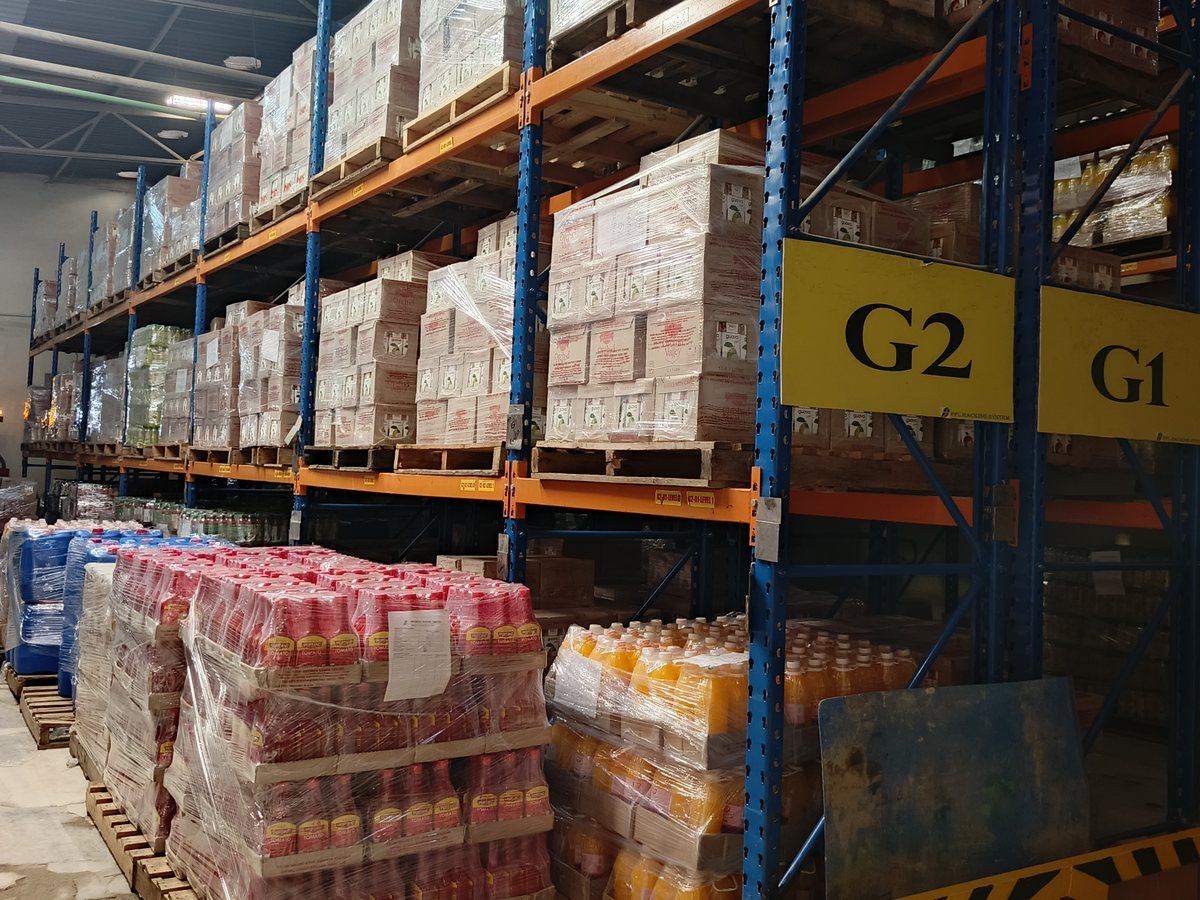
Counting stock when a business changes hands
Buyer and seller both have to accept one number. That changes how the count has to be run.
In a routine count, one party needs the number. In a sale, two parties need it and they want it to move in opposite directions. That single difference changes how the count has to be run.
The same applies to a partnership splitting, a manager handing over a branch, a franchise changing operator, or an estate being settled. Wherever stock passes from one responsible party to another, the count has to be built so that neither side can reasonably dispute it afterwards.
Agree the basis before anyone counts
Almost every dispute we have seen in a transfer count traces back to something nobody settled in advance. Settle these in writing first, with both parties signing:
- What is in scope. Stock on the premises, stock in transit, stock at a third party, consignment goods, display items, packaging and consumables. Each one in or out, explicitly.
- The valuation basis. Cost, net realisable value, last purchase price, or an agreed price list. This is the single biggest source of argument and it has nothing to do with counting.
- How damaged, expired, obsolete and slow-moving stock is treated. Excluded entirely, valued at a discount, or valued in full. Agree the definition of each category too, not just the treatment.
- Part-packs and opened cases. Counted as fractions or disregarded.
- The effective moment. A date and a time, not just a date.
- Who attends. Both parties are entitled to observe. Both should.
- How a disagreement is resolved if a recount does not settle it.
Counting and valuing are two jobs
Stock Handlers Solutions verifies quantities and condition. What those quantities are worth is a commercial question between buyer and seller, usually with their accountants. Keeping the two separate is what lets both parties accept the count — the verifier has no stake in the price.
Why the method has to be stricter
A transfer count is the clearest case for blind counting. Neither party's expectations should reach the counters, and in a handover the outgoing party's records are precisely what is being tested. A count conducted from the seller's own figures is not independent evidence of anything.
It also argues for a full count rather than a sample. Sampling supports an opinion about a population. A transfer needs an actual number, because that number becomes a line in a sale agreement.
And it argues for recounting on the spot. Once the parties have left the premises and the stock has moved, a disputed line cannot be resolved. Everything flagged gets recounted before anyone goes home.
Documentation is the deliverable
In a routine count the number matters most. In a transfer the evidence matters most, because it may be read months later by people who were not there, possibly by lawyers.
A transfer count should produce
- Count sheets showing what was counted, where, by whom and at what time
- The original captured data, retained exactly as recorded, before any adjustment
- Condition findings against the agreed definitions, item by item
- A record of every recount and what it resolved
- Any item the parties could not agree on, flagged rather than quietly decided
- A signed summary, signed by both parties and by the verifier on the day
Practical points that save trouble
Stop trading for the count if at all possible. A transfer count with stock moving through it is very hard to defend later.
Count at the point of handover, not a fortnight before with an adjustment calculated afterwards. The adjustment becomes the new argument.
Have both parties sign the sheets on the day, while the stock is still in the room. A signature collected a week later is worth considerably less.
And get the awkward categories looked at by someone who knows the goods. Whether a line is obsolete or merely slow-moving is a judgement that changes the price, and it is better made in front of both parties than asserted afterwards by one of them.
Buying, selling or handing over?
An independent count both parties accept is cheaper than the dispute that follows one they do not. Tell us the dates you are working to.
Request a Site AssessmentKeep reading
More from our insights
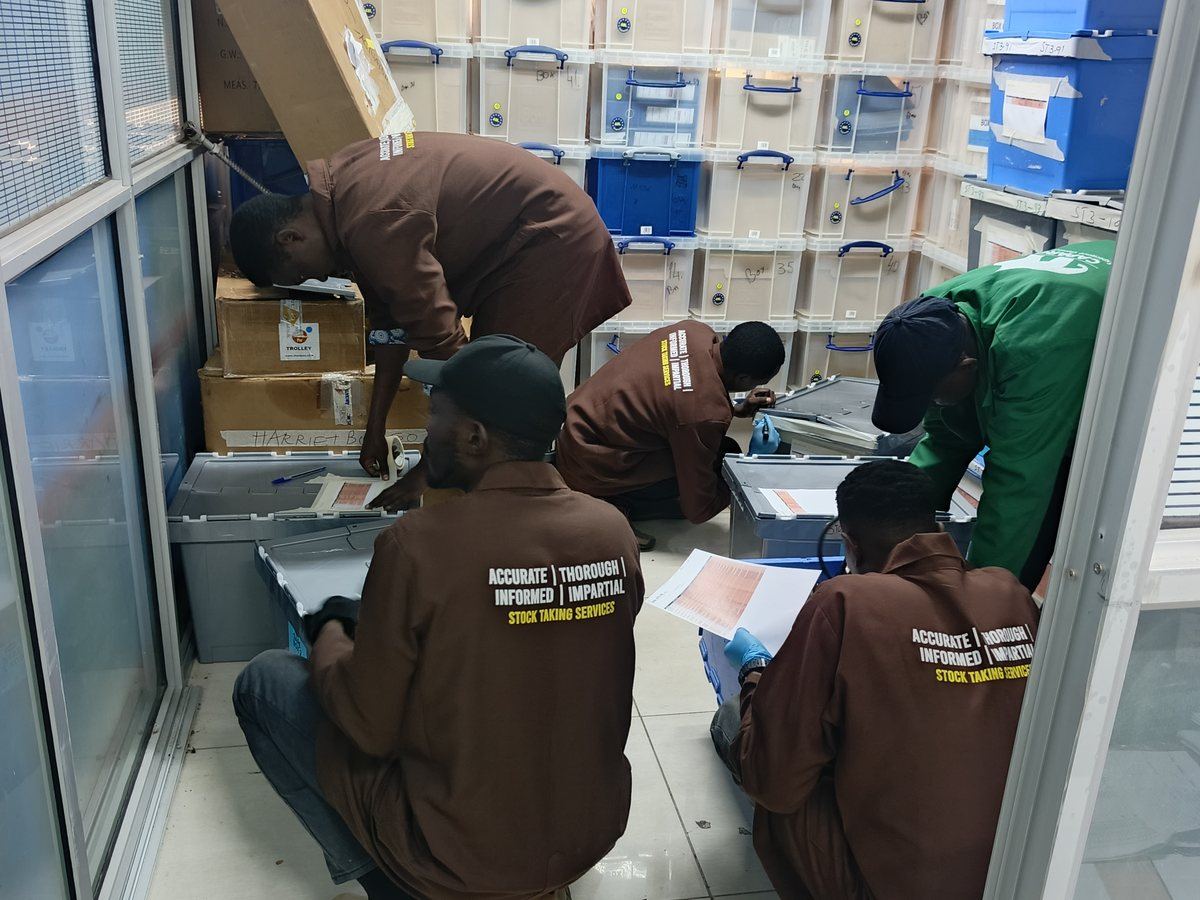 Choosing a firmHow to choose a stocktaking company in KenyaEleven questions worth asking before you engage anyone, including us.26 Nov 2026 · 7 min read
 Counting methodHow often should you count your stock?Once a year satisfies the audit. It is rarely the right answer operationally.20 Nov 2026 · 6 min read
 VarianceYour stock variance is probably not theftWhen the count does not match the system, most managers reach for the same explanation. The data usually says otherwise.20 Nov 2026 · 7 min read