

Your stock variance is probably not theft
When the count does not match the system, most managers reach for the same explanation. The data usually says otherwise.
A count comes back short. Within an hour, somebody has named a suspect. It is the most natural reaction in the world and, in our experience of the counts we run, it is the wrong first conclusion more often than it is the right one.
Theft is real and it does happen. But in the counts Stock Handlers Solutions runs, a variance is a symptom, not a diagnosis, and treating every shortfall as a loss means the actual cause stays in place and produces the same variance next year.
What a variance really is
A variance is the gap between two numbers: what your system says you hold, and what is physically on the shelf. Either number can be wrong. Most investigations only examine the shelf.
That is the single most common mistake in variance investigation. The system figure is treated as the truth and the physical count as the deviation, when in a large share of cases the physical stock is correct and the record is not.
The causes SHS sees most often
Receiving errors
Goods arrive, the delivery note says one quantity, the physical delivery is another, and the system is updated from the paperwork rather than from the goods. The variance is created on day one and discovered twelve months later. Short deliveries that were signed for without counting are a recurring finding, and so are deliveries entered twice.
Unit-of-measure confusion
This one is quietly responsible for an enormous share of large variances. An item is purchased in cartons, stored in cartons and sold in pieces. Somewhere in the chain, somebody enters a quantity in the wrong unit. A single transaction entered as 12 instead of 1 carton of 12 creates a variance that looks dramatic and has nothing to do with anybody’s honesty.
The same problem appears with weight versus count, litres versus bottles, and metres versus rolls. It is particularly common in businesses that changed systems at some point and carried old unit conventions into the new one.
Duplicate and near-duplicate codes
The same physical item exists twice in the master data under two codes, often because two people created it at different times with slightly different descriptions. Stock gets received against one code and issued against the other. One line shows a surplus, the other a shortfall, and they are rarely spotted as a pair because they sit in different parts of the report.
Unrecorded internal movements
Stock moved between branches, taken for a sample, consumed internally, used for a demonstration, issued to production, or given as a replacement under warranty — all perfectly legitimate, all frequently unrecorded. The goods left the shelf and the system never knew.
Damage, expiry and disposal
Broken, expired or written-off items are usually removed physically long before anybody raises the paperwork. Until the write-off is processed, the system holds stock that does not exist. In food, pharmaceutical and beverage businesses this is routinely the largest single cause.
Timing and cut-off
A delivery that arrived during the count. An invoice raised for goods not yet despatched. A transfer in transit between two locations, counted at neither end or at both. Cut-off errors are not errors of fact at all — the stock exists, the record exists, they were simply captured on different sides of a line.
Counting error
Worth naming plainly, because the count itself can be the problem. Miscounted bulk stacks, items missed in a second storage location, stock counted twice when two teams overlapped, and transcription mistakes between the count sheet and the system. A variance investigation that does not first verify the count is investigating the wrong number.
Why the distinction matters commercially
A variance written off as shrinkage costs you the value of the stock, once. A variance caused by a receiving process that under-records every third delivery costs you that value again every year until somebody fixes the process. The write-off is the cheaper half of the problem.
How to separate the causes
A variance report that lists quantities and values tells you the size of the problem. It does not tell you what happened. Classification is what turns a count into something you can act on, and it works in a fairly standard sequence.
- Verify the count first. Recount the largest variances before investigating them. A surprising proportion resolve at this step.
- Look for offsetting pairs. A surplus on one line and a near-identical shortfall on another almost always means a coding or unit problem, not two separate losses.
- Check the movement history on the worst lines. Trace the transactions back to the last reliable verification and look for the gap.
- Test cut-off explicitly. Examine deliveries and despatches either side of the count date against the documents.
- Review the master data. Duplicate codes, wrong units of measure and inconsistent descriptions explain more variances than most managers expect.
- What remains unexplained after all of that is the figure worth taking seriously as loss — and it is usually a fraction of the original number.
The pattern is the evidence
Single variances are hard to interpret. Patterns are not. Loss and process error leave different fingerprints, and once you count often enough to see a pattern, the distinction usually becomes obvious.
Process errors cluster. They affect particular items, particular suppliers, particular transaction types or particular periods, and they produce surpluses as well as shortfalls, because an error can go either way. Loss does not produce surpluses. It concentrates in items that are small, valuable and easily resold, and it is one-directional.
Which is also why an annual count is a poor tool for detecting either. One data point has no pattern in it.
What a useful variance report contains
- Every discrepancy identified by item, location and quantity, with the value attached
- Variances classified by probable cause rather than listed flat
- Offsetting pairs matched to each other rather than reported separately
- Master-data problems — duplicates, wrong units, inconsistent descriptions — separated out
- A clear statement of what remains genuinely unexplained after the rest is accounted for
Carrying a variance nobody can explain?
We count independently, classify every discrepancy and trace it to a cause where the records allow it. Tell us what the last count showed.
Request a Site AssessmentKeep reading
More from our insights
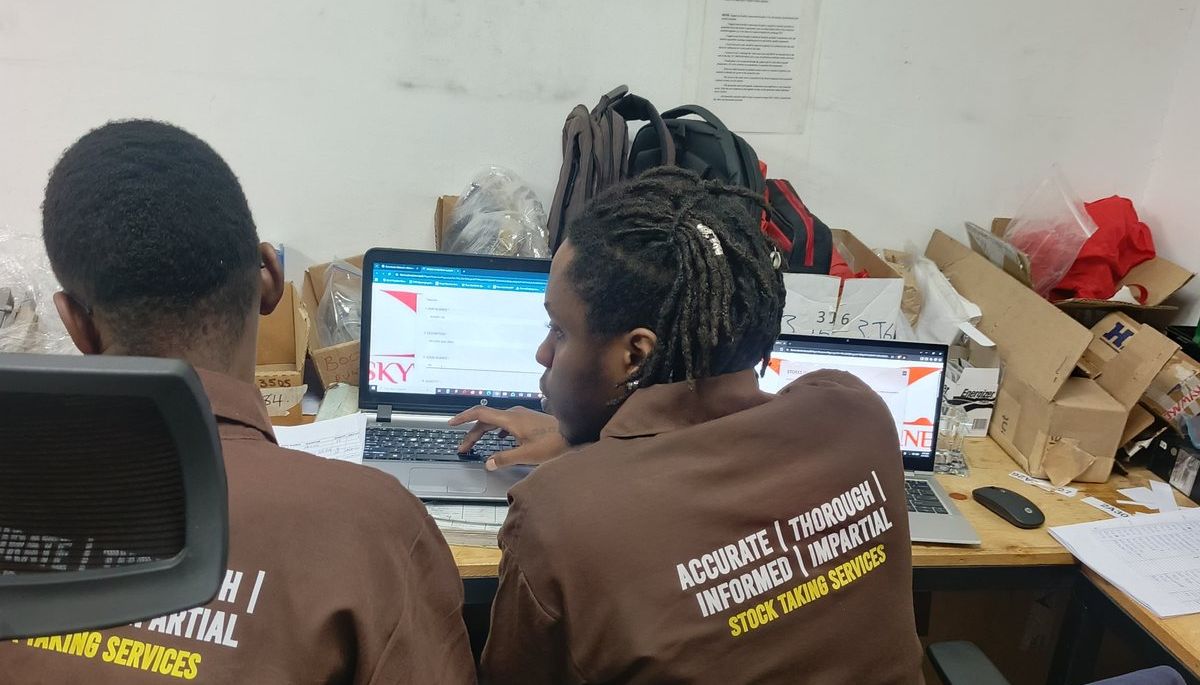 AuditWhat auditors actually want from your year-end countThe count itself is half of it. What auditors test is whether the number can be evidenced.20 Nov 2026 · 6 min read
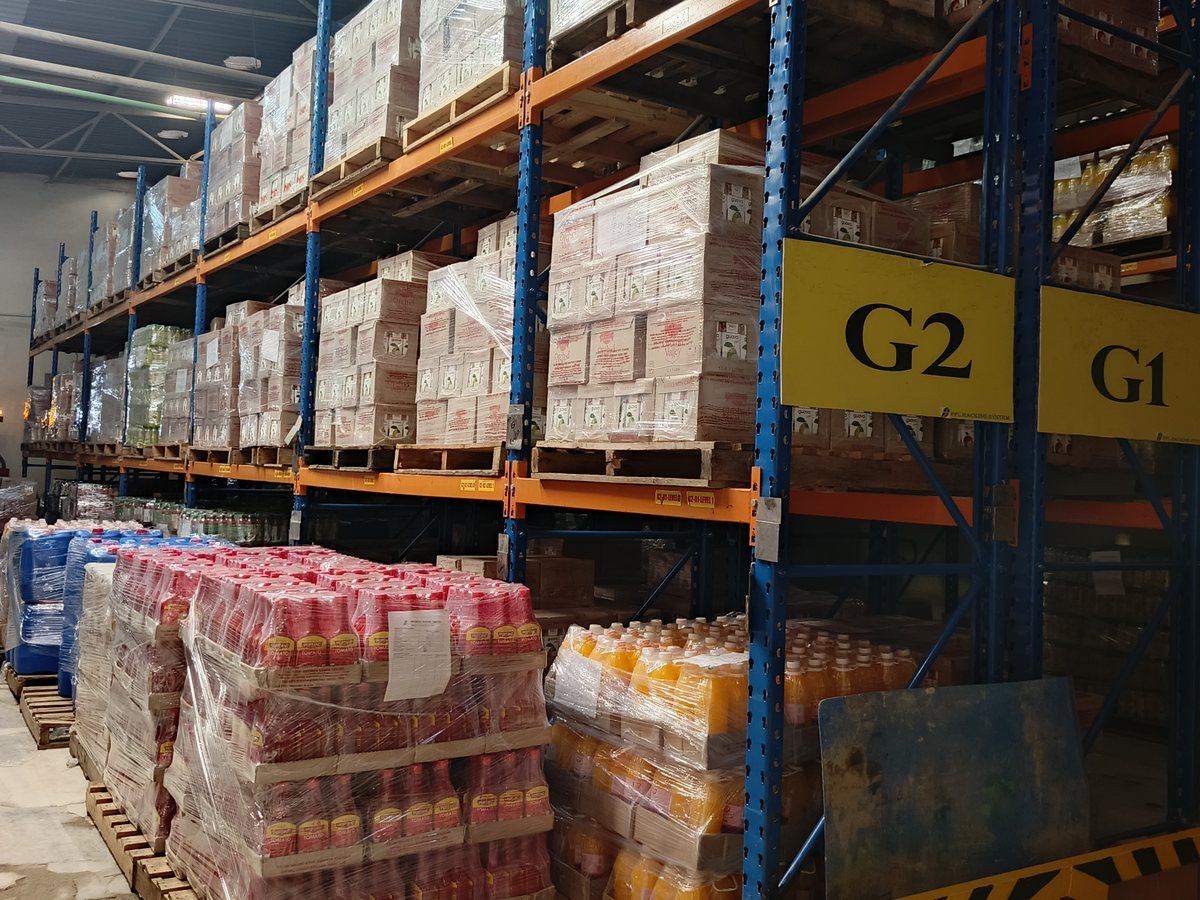 PreparationHow to prepare for a stock countMost of what makes a count accurate happens in the two weeks before anybody counts anything.20 Nov 2026 · 8 min read
 SystemsOpening balances decide whether your new system worksA new inventory system inherits whatever you load into it. Most failed implementations were lost at this step.20 Nov 2026 · 7 min read