
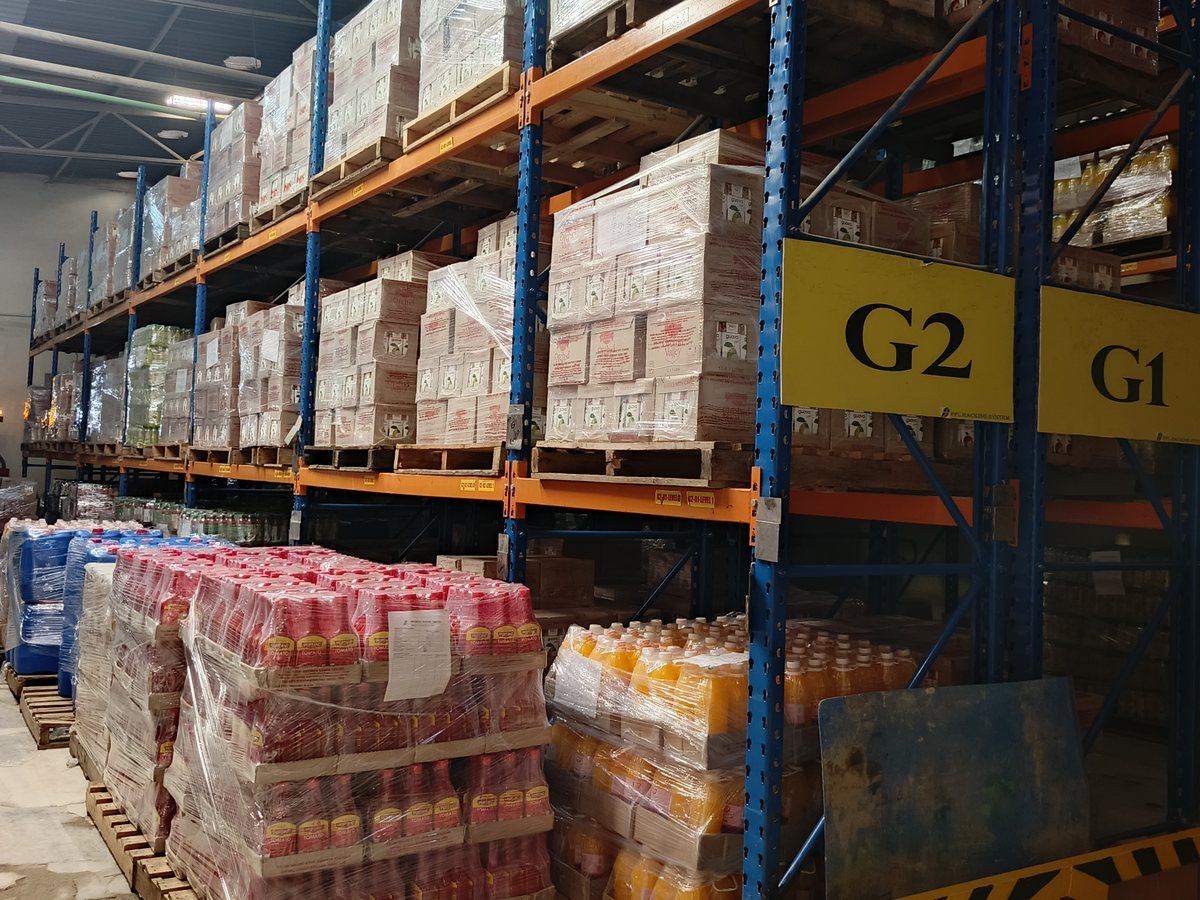
How to prepare for a stock count
Most of what makes a count accurate happens in the two weeks before anybody counts anything.
Counts rarely fail because the counting was bad. They fail because the store was not ready, the scope was unclear, or nobody agreed in advance what to do when something unexpected turned up. All three are decided before the count date.
Here is the preparation Stock Handlers Solutions walks every client through, working backwards from the day.
Two to three weeks before
Fix the scope in writing
What is being counted, and where. This sounds obvious until the day, when somebody mentions the container at the back, the goods at the third-party warehouse, the demo units with the sales team, the stock at the branch, or the consignment items that belong to a supplier.
Every one of those needs a decision before the count, not during it: in scope or out, and if out, documented as out. Stock held elsewhere on your behalf is still your stock. Stock on your premises belonging to somebody else is not.
Clean the master data
This is the step most often skipped and the one that causes most of the pain. Before counting anything, look at the item list itself for duplicate codes, items with inconsistent units of measure, descriptions too vague to match to a physical item, and obsolete codes that should have been retired.
Counting against a dirty item list produces variances that are artefacts of the data rather than facts about the stock, and you will spend longer investigating those than you would have spent cleaning the list.
Decide the method
Blind or not. Zone-based or item-based. Teams of two with a counter and a recorder, or single counters. Whether a second count is automatic on high-value lines or triggered by variance. Who adjudicates a disagreement. Write it down; a method agreed in conversation is a method that changes three times during the day.
One week before
Housekeeping
The physical state of the store determines how fast and how accurately it can be counted. Before the day:
- Put like with like — the same item split across four locations is the single most common cause of miscounts
- Clear the aisles and make every shelf and stack physically reachable
- Face labels outward so items can be identified without unpacking
- Break down partial cartons or mark clearly what a part-carton contains
- Segregate damaged, expired, returned and quarantined stock into a defined area
- Remove from the counting area anything that is not stock — packaging materials, equipment, personal items
Labelling and identification
Anything a counter cannot identify becomes a query, and queries are slow. Unlabelled items, faded barcodes, generic brown boxes and loose components need identifying before the day rather than being puzzled over during it. Where items genuinely cannot be identified by sight, somebody who knows the stock should be available to the count teams.
Map the zones
Divide the premises into clearly bounded zones with no gaps and no overlaps, and label them physically. Zone boundaries that exist only on paper lead to the two classic failures: an area counted by two teams, and an area counted by nobody.
The day before
Cut-off
Decide and communicate the point at which movement stops. Process everything outstanding: deliveries received but not entered, despatches raised but not shipped, transfers in transit, returns awaiting paperwork. The aim is that the system reflects every movement up to the cut-off and nothing after it.
Where operations cannot stop entirely, set up a holding area for anything arriving during the count, keep it physically separate, and document it with timings so it can be allocated correctly afterwards.
Brief the teams
A short briefing on the day, covering method, zone assignments, how to record, what to do with an item they cannot identify, what to do with damaged stock, and who to ask. Fifteen minutes here removes most of the inconsistency that otherwise shows up in the data.
Freeze the system
Stop transactions in the inventory module for the count window, or at minimum record a hard snapshot at the cut-off moment. Counting against a system that is still moving means the comparison is against a figure that no longer exists.
The single biggest time saver
Consolidating split stock. In a store where one item sits in three or four places, counters spend most of their time searching rather than counting, and the risk of missing a location is high. A day spent consolidating before the count routinely saves more than a day during it, and it improves the accuracy of the result at the same time.
On the day
- Start on time; counts that start late finish tired, and tired counts are inaccurate
- Count systematically within each zone — one direction, top to bottom, no skipping back
- Record as you go rather than from memory at the end of a run
- Flag anything unexpected rather than resolving it informally
- Have a supervisor spot-check completed zones while the teams are still on site
- Do not release a zone until its sheets are complete and signed off
Immediately after
Reconcile while people are still available and still remember. Recount the largest variances the same day if you can — a recount a week later is a different count under different conditions, and it settles nothing.
Then capture the result properly: the original count data retained as captured, variances classified, adjustments documented with reasons, and the trail from the floor through to the ledger intact.
Preparation checklist, in short
- Scope agreed in writing, including stock held elsewhere and stock belonging to others
- Item master data reviewed for duplicates, units of measure and unclear descriptions
- Counting method and recount rules documented before the day
- Store consolidated, labelled, cleared and segregated
- Zones mapped with no gaps and no overlaps, and labelled physically
- Cut-off processed, movement stopped or documented, system frozen or snapshotted
- Teams briefed, supervisors assigned, an identification contact available
- Reconciliation and recounts planned for the same day, not the following week
Want the preparation handled for you?
A site assessment covers the layout, the stock profile and the state of your records, and produces the count plan before anybody counts anything.
Request a Site AssessmentKeep reading
More from our insights
 SystemsOpening balances decide whether your new system worksA new inventory system inherits whatever you load into it. Most failed implementations were lost at this step.20 Nov 2026 · 7 min read
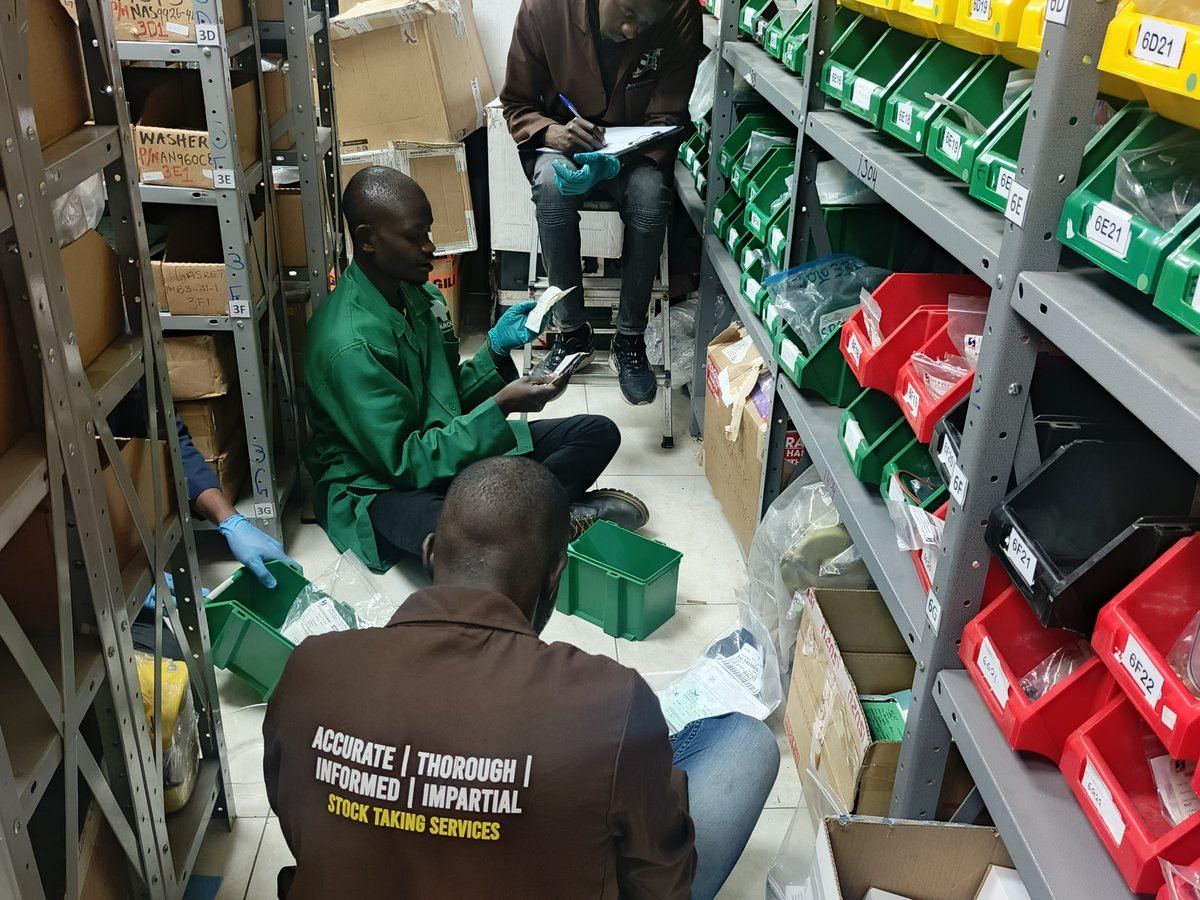 Counting methodBlind counts, and why the method changes the answerGive a counter the expected figure and you have told them what to find. The method is not a detail.20 Nov 2026 · 5 min read
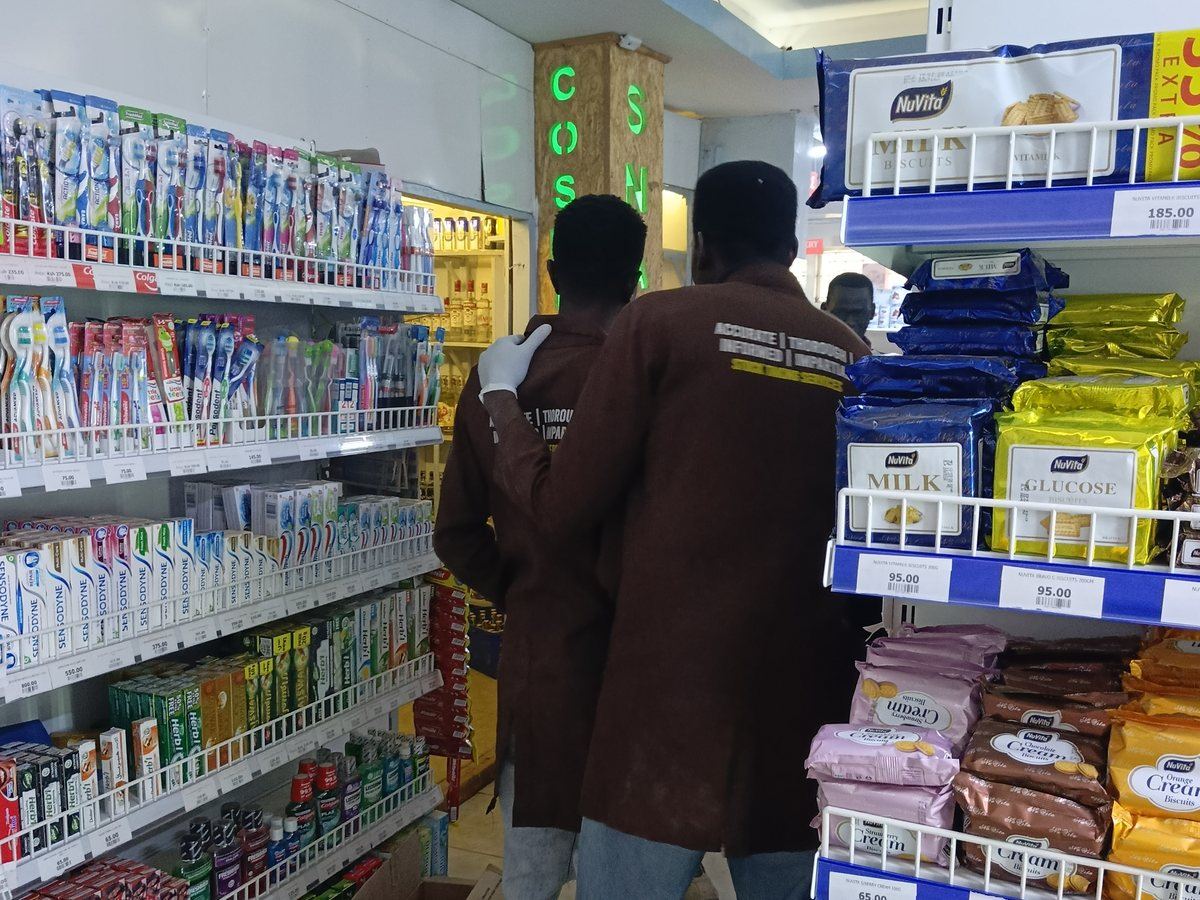 Counting methodHow often should you count your stock?Once a year is the legal minimum in most businesses. It is rarely the right answer operationally.20 Nov 2026 · 6 min read