

What an asset register should actually contain
Most registers are a list of purchases. That is not the same thing, and the gap shows up at audit.
Ask most finance teams for their fixed asset register and you get a spreadsheet of things the company has bought, with dates and amounts. That is a purchase history. It tells you what was spent, not what you still own.
The difference matters at audit, at insurance renewal, and on the day somebody asks where a particular machine actually is.
What a register is for
Three jobs, and a list of purchases only does one of them. It supports the carrying value in the accounts and the depreciation charge. It proves the assets exist, which is the control job. And it tells the business where its assets are and who is answerable for them, which is the operational job.
A register that cannot do the second and third is a ledger extract wearing a different name.
The fields that make a register work
- A unique asset number, physically attached. Not the invoice number, not the serial number alone. A tag on the asset that matches a line in the register is what makes verification possible at all.
- A description somebody can match to a physical object. “Computer” is not a description when you own two hundred of them.
- Make, model and serial number where the asset has them, which is also what your insurer and the police will ask for.
- Location, at the level you would actually search. Not “Head Office” but the floor, room or line.
- Custodian — the role responsible for it, rather than a named individual who may have left.
- Acquisition date and cost, with the supporting document referenced.
- Useful life, depreciation method and accumulated depreciation, so the register reconciles to the ledger.
- Condition, assessed and dated. An asset carried at book value that is unusable is a disclosure problem waiting to happen.
- Status — in use, idle, under repair, held for disposal, disposed. With the date of the change.
- Ownership — owned, leased, or belonging to a third party. Leased assets on a register as owned is one of the more common findings.
Tagging is the step people skip
Without a physical tag, verification becomes a matching exercise based on description and guesswork, and two similar assets in the same room cannot be told apart. Tagging is unglamorous and it is the single thing that turns a register from a spreadsheet into a control. Stock Handlers Solutions tags as part of a verification engagement where the register has none.
What verification actually tests
A verification runs in both directions, and each direction finds something different.
Register to floor asks whether everything on the list still exists. It finds assets disposed of years ago but never written off, assets that have quietly left the building, and assets carried at a value that no longer reflects their condition.
Floor to register asks whether everything in the building is on the list. It finds unrecorded assets — items bought out of an expense budget, donated equipment, assets transferred between branches and never updated. These are frequently a larger number than the missing ones, and they are rarely looked for.
What comes back
After a fixed asset verification you should hold
- A register where every line has been physically confirmed, or reported as not found
- Assets found on site that were not on the register, recorded and described
- A tag number on every asset, matching the register line
- Condition and status assessed and dated on each one
- Leased and third-party assets identified separately rather than counted as yours
- A reconciliation between the register total and the ledger, with differences explained
- A list of items that could not be accessed on the day, and why
How often
Annually is the common answer and it is a reasonable one for most businesses. Two situations argue for sooner: a register nobody has verified in several years, where the first exercise is less an audit than a reconstruction; and a business with high-value portable assets, where an annual check leaves a long window.
Whichever interval you choose, the value compounds. The first verification is the painful one. Every verification after it is a short confirmation that the controls held.
Register nobody has checked in years?
That is the common starting point, and Stock Handlers Solutions handles it regularly. Tell us roughly how many assets and how many sites.
Request a Site AssessmentKeep reading
More from our insights
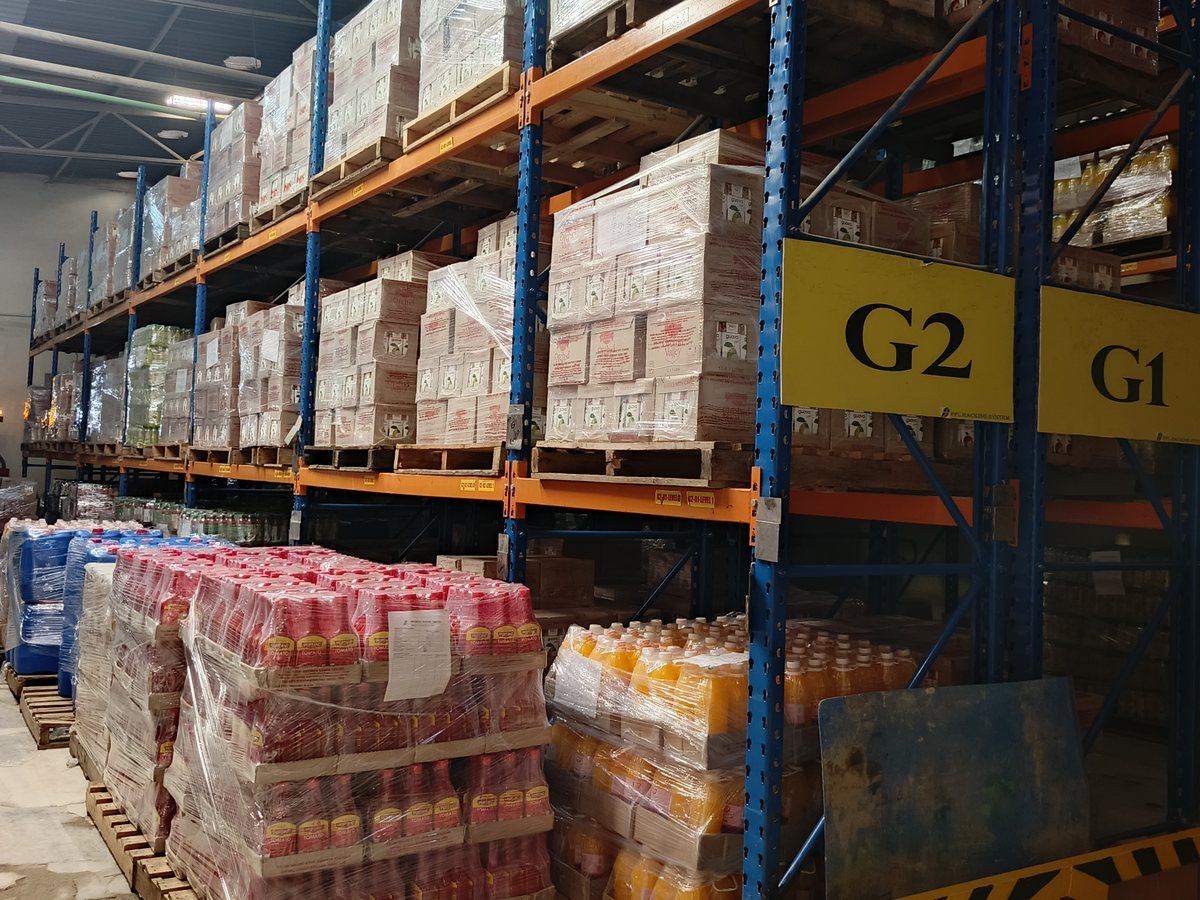 Business transferCounting stock when a business changes handsBuyer and seller both have to accept one number. That changes how the count has to be run.26 Nov 2026 · 6 min read
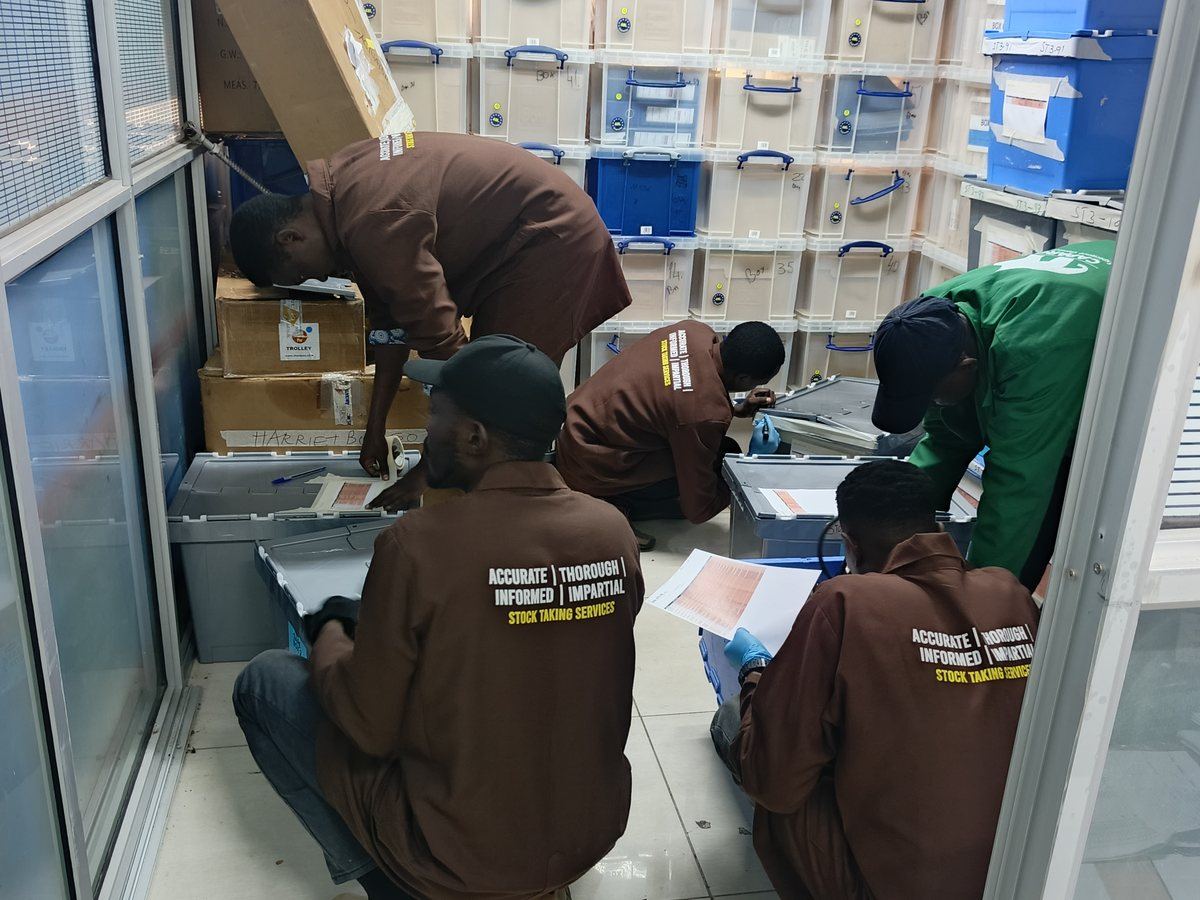 Choosing a firmHow to choose a stocktaking company in KenyaEleven questions worth asking before you engage anyone, including us.26 Nov 2026 · 7 min read
 Counting methodHow often should you count your stock?Once a year satisfies the audit. It is rarely the right answer operationally.20 Nov 2026 · 6 min read